A few years ago, I came across an intriguing news story that captured the attention of many people. It was about a saint who had allegedly confessed to being pregnant. As you can imagine, this caused quite a stir, with all kinds of rumors and speculations swirling around. People from all walks of life began to speculate on what it could mean, and the media buzzed with discussions and debates. However, when an ultrasound was finally conducted, it revealed that the pregnancy was nothing more than a hoax, confirming what some skeptics had already predicted. At the time, I didn’t think much more about it. I found it curious but didn’t feel the need to dig deeper into the phenomenon behind the false pregnancy claim.
But recently, while reading a fascinating book titled *Phantoms in the Brain* by V. S. Ramachandran, I stumbled upon a similar topic that caught my attention. In the book, Ramachandran discussed various neurological conditions that challenge our understanding of the brain’s complexities. Among the many strange and unusual disorders described, one stood out to me: pseudocyesis, a rare psychological condition where a person, usually a woman, believes she is pregnant, even though she is not.
The idea of pseudocyesis intrigued me because it brought back memories of the saint’s story, but this time with a more scientific lens. I realized that pseudocyesis wasn’t just an isolated case of delusion or deception but a recognized medical condition with deep psychological roots. This realization spurred me to explore the condition further, unraveling the layers of this mysterious disorder.
What Is Pseudocyesis?
Pseudocyesis, often referred to as false pregnancy, is a psychological condition in which a person, most commonly a woman, genuinely believes she is pregnant, even though there is no actual pregnancy. The term comes from the Greek words “pseudo,” meaning false, and “cyesis,” meaning pregnancy. The person experiencing pseudocyesis often exhibits many of the classic symptoms associated with pregnancy, including missed periods, abdominal enlargement, breast changes, nausea, and even the sensation of fetal movements.
However, despite these convincing signs, there is no baby. When doctors perform medical tests such as ultrasounds, blood tests, or pelvic exams, they find no evidence of a fetus. This dissonance between the patient’s experience and medical reality can be incredibly distressing for both the individual and those around her.
The History of Pseudocyesis
Pseudocyesis is not a new phenomenon. Throughout history, there have been many documented cases of women who believed they were pregnant when they were not. In fact, some of the most famous historical figures have been linked to pseudocyesis. One notable example is Queen Mary I of England, also known as “Bloody Mary.” Mary, who was desperate to produce an heir, believed she was pregnant on multiple occasions. She exhibited many of the classic signs of pregnancy, and the entire nation awaited the birth of her child. However, no child was ever born, and it is now widely believed that Mary may have suffered from pseudocyesis.
In the 19th century, pseudocyesis was more commonly referred to as “phantom pregnancy” or “hysterical pregnancy.” During this period, the condition was often linked to the now-discredited concept of hysteria, which was thought to be a disorder unique to women. Physicians at the time believed that emotional distress, particularly surrounding issues of fertility and motherhood, could lead women to develop false pregnancies. While our understanding of pseudocyesis has evolved since then, the condition remains shrouded in mystery.
Symptoms and Signs
The symptoms of pseudocyesis can be strikingly similar to those of a real pregnancy, which is why it can be difficult to distinguish between the two without medical testing. Some of the most common symptoms include:
Missed Periods: Many women with pseudocyesis stop menstruating, which is often the first sign of pregnancy. The absence of a period reinforces the belief that they are pregnant.
Abdominal Enlargement: In some cases, women with pseudocyesis experience an increase in abdominal size, mimicking the appearance of a growing baby bump. This can be due to bloating, gas, or changes in posture.
Breast Changes: Women may also notice changes in their breasts, such as enlargement, tenderness, and even the production of breast milk (galactorrhea).
Nausea and Vomiting: Morning sickness, a hallmark of early pregnancy, is another common symptom of pseudocyesis.
Fetal Movements: Some women report feeling fetal movements, known as “quickening,” even though there is no fetus. These sensations may be caused by gas or muscle contractions.
Weight Gain: Weight gain is another common symptom, further reinforcing the belief that pregnancy is progressing.
Labor Symptoms: In rare cases, women with pseudocyesis may even go into what they believe is labor, experiencing contractions and other signs of impending childbirth.
These symptoms can persist for months or even years, and the belief in the pregnancy can be so strong that the person may not accept medical evidence to the contrary.
Causes of Pseudocyesis
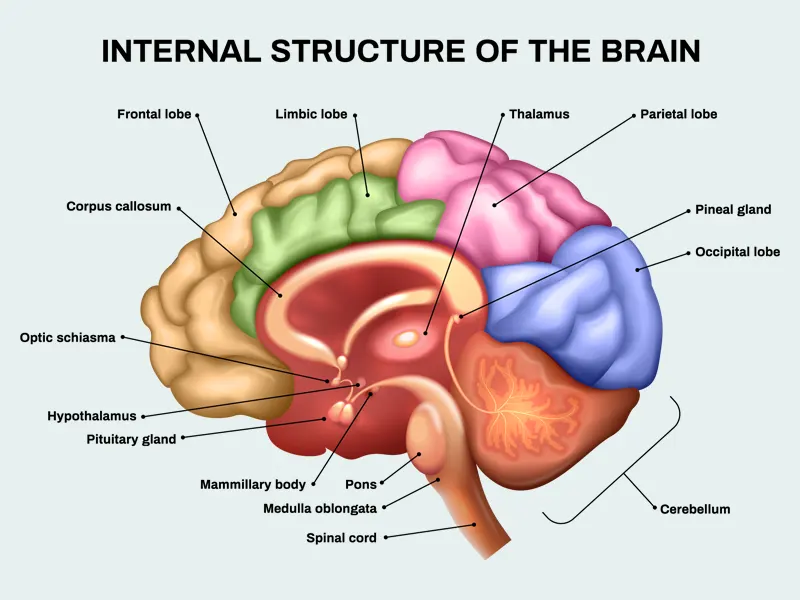
The exact cause of pseudocyesis is still not fully understood, but it is believed to be the result of a complex interplay between psychological, hormonal, and neurological factors.
Diagnosis and Treatment
Diagnosing pseudocyesis can be challenging, as the symptoms can be so similar to those of a real pregnancy. Doctors typically begin by ruling out other medical conditions that could explain the symptoms, such as pregnancy, tumors, or hormonal disorders. Ultrasound, blood tests, and pelvic exams are often used to confirm that there is no fetus or other medical condition causing the symptoms.
Once pseudocyesis is diagnosed, treatment focuses on addressing the underlying psychological and emotional issues. This may involve counseling or therapy to help the person come to terms with their desire for pregnancy or their fear of it. In some cases, medications may be prescribed to regulate hormonal imbalances or to treat associated mental health conditions, such as anxiety or depression.
Support from family and friends is also crucial in helping individuals with pseudocyesis. The condition can be emotionally draining, not only for the person experiencing it but also for those around them. Understanding and compassion from loved ones can make a significant difference in the healing process.
The Broader Implications of Pseudocyesis
Pseudocyesis is a reminder of the profound connection between the mind and body. It illustrates how deeply our thoughts and emotions can influence our physical health and well-being. While pseudocyesis is rare, it sheds light on the power of the brain in shaping our perceptions of reality.
In a broader sense, pseudocyesis also raises questions about the ways in which societal expectations and pressures around fertility and motherhood can impact women’s mental and physical health. The condition serves as a stark reminder that reproductive health is not just a biological issue but also a deeply psychological and social one.
In conclusion, the story of pseudocyesis is a fascinating and complex one. It is a condition that challenges our understanding of the mind-body connection and reminds us of the power of belief and emotion. While pseudocyesis may be rare, its impact on those who experience it is profound, and it serves as a powerful example of how our brains can sometimes create their own realities, even when they don’t align with the medical facts.