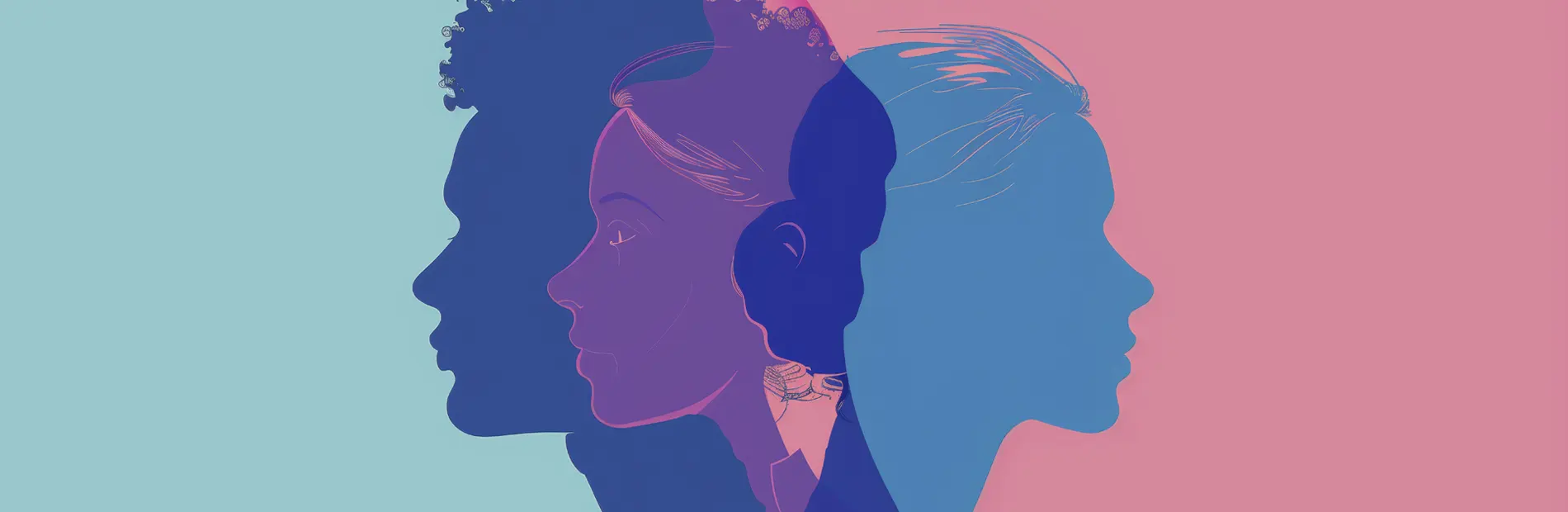

Human behavior is complex. But some patterns are so universal and so consistent that once you notice them, it’s impossible to unsee. One such pattern is the stark difference in how people behave when they are with you alone versus when they are with you in a group. The shift can be subtle — a change in tone, posture, or eye contact — or it can be dramatic, transforming someone from a kind listener to a loud skeptic or dismissive critic.
This shift isn’t random. It reveals something deep about the nature of ego, social dynamics, and our intrinsic need to be accepted — or to appear strong — in front of others. Understanding this duality in human behavior is not just an interesting observation; it’s a key to improving how we communicate, how we resolve conflict, and ultimately, how we build more emotionally intelligent relationships.
One-on-One: The Realm of Vulnerability and Clarity
When you’re alone with someone, walls tend to fall away. In these moments, people are often:
• More reflective
• Less defensive
• More open to feedback
• More likely to admit mistakes or limitations
This is because there’s no “audience.” The person doesn’t have to perform, prove themselves, or protect their image. In this space, you’re speaking directly to their inner self — not the version of them that’s curated for public view.
This is why difficult conversations — about mistakes, accountability, or personal growth — are often more productive when done in private. People are more receptive when they feel safe, unjudged, and free from the pressure of social perception.
Group Settings: The Playground of Ego
Now contrast that with group interactions.
In group settings, especially in environments where status, reputation, or power dynamics are at play, people often behave differently:
• They may interrupt more
• They may resist criticism, even if it’s valid
• They may mock, challenge, or distance themselves from ideas they otherwise agreed with in private
Why? Because ego thrives in the presence of others.
A group adds an invisible audience, and that changes the stakes. People worry about being seen as weak, ignorant, or inferior. So, they often shift from truth-seeking to image-protecting behavior. They may deny a mistake they admitted in private. They may double down on an opinion they previously questioned. They may attack an idea just to fit in with dominant voices in the room.
The Psychology Behind the Behavior
Let’s break down a few psychological principles that explain this shift:
• Social Identity Theory
People define themselves by the groups they belong to — friends, colleagues, religious communities, teams, political ideologies. In a group, preserving one’s identity within that structure becomes a priority. Admitting fault or showing uncertainty may feel like betrayal or weakness.
• Ego Preservation
In public, people protect their ego because they fear embarrassment, rejection, or loss of respect. So they become more defensive, dismissive, or even aggressive when challenged in front of others.
• Groupthink & Peer Influence
Even when people disagree privately, they often conform publicly to avoid friction. The desire to be accepted can override logic or integrity — this is herd behavior, and it’s deeply ingrained in human survival psychology.
• Status Dynamics
In groups, people subconsciously compete for attention, validation, or dominance. This creates a stage where posturing is rewarded more than honesty. People are incentivized to be loud, witty, or “right” — not to be vulnerable or reasonable.
Real-Life Examples
• Workplace Settings:
You discuss a new idea with a colleague alone, and they seem enthusiastic. But in a team meeting, they shoot it down or act uninterested. Why? Maybe they fear looking too supportive of you in front of a manager. Or they want to align with the louder voices in the room.
• Friend Circles:
A friend confides in you about personal struggles when you’re alone. But in a group, they act like nothing bothers them and even mock others with similar issues. It’s their way of protecting an image.
• Classrooms:
A student asks thoughtful questions one-on-one but stays silent or makes jokes during class discussions — because asking questions publicly feels risky.
Why This Matters
Understanding this duality is essential for:
• Leaders who want honest feedback and stronger team cohesion
• Friends who want deeper trust
• Parents and educators who want to guide without provoking shame
• Partners seeking emotional honesty
If you ignore this dynamic, you’ll feel frustrated when people “flip” in public. If you recognize it, you’ll learn to choose the right setting for the right conversation — and help others feel safe enough to be consistent in both private and public.
Practical Applications
• Have tough conversations privately
Don’t call people out in front of others unless absolutely necessary. Doing so invites defensiveness and resentment. Privacy allows for reflection, not resistance.
• Reinforce trust in group settings
Publicly backing up someone who is vulnerable in a group encourages honesty and humility. It sets the tone that openness is respected, not ridiculed.
• Don’t mistake public rejection for personal betrayal
Sometimes someone will disagree with you in public just to avoid discomfort. If they supported you in private, understand their fear rather than rush to judgment.
• Foster psychologically safe groups
Whether it’s a family, team, or classroom — groups where people feel emotionally safe will see less of this behavior split. Safety reduces ego-driven performance.
What We Can Learn About Ourselves
It’s easy to spot this behavior in others, but harder to admit in ourselves.
• How often have you held back from agreeing with someone just because others were watching?
• How often have you changed your stance in a group to match the dominant voice?
• How often have you said things publicly that you didn’t truly feel privately?
These questions aren’t to shame anyone, but to remind us that we’re all subject to these forces. Self-awareness is the first step to integrity — which means behaving consistently across contexts, no matter who’s watching.
Building a Culture of Respect and Courage
Ultimately, the goal isn’t to shame people for acting differently in groups — it’s to build cultures where such changes aren’t necessary.
• Where people can disagree respectfully.
• Where vulnerability is seen as strength.
• Where changing your mind is a sign of growth, not weakness.
This starts with leaders, but it includes every one of us. Every time we treat someone with kindness despite social pressure, every time we admit a mistake in front of others, every time we support someone for being honest — we help redefine the norms of group behavior.
Final Reflection
The next time someone behaves differently in public than they did in private, don’t rush to label them as fake or weak. Instead, recognize the social forces acting on them. Recognize that we all wear masks at times — sometimes to protect ourselves, sometimes because we’re afraid.
But also remember this:
The world doesn’t change just by understanding people. It changes when we choose to be brave first. When we show consistency, kindness, and integrity regardless of whether we’re alone or in a crowd.
True maturity is when your character doesn’t change depending on who’s watching.
And true leadership is when you make it safe for others to be that way too.